10 things you can do to help wildlife in your garden this JULY
July is a crucial month for helping wildlife in the garden here in the UK. Many animals and insects are highly active during this period. Providing resources and habitats helps sustain them. We will look at 10 practical ways to make your garden wildlife friendly in July.
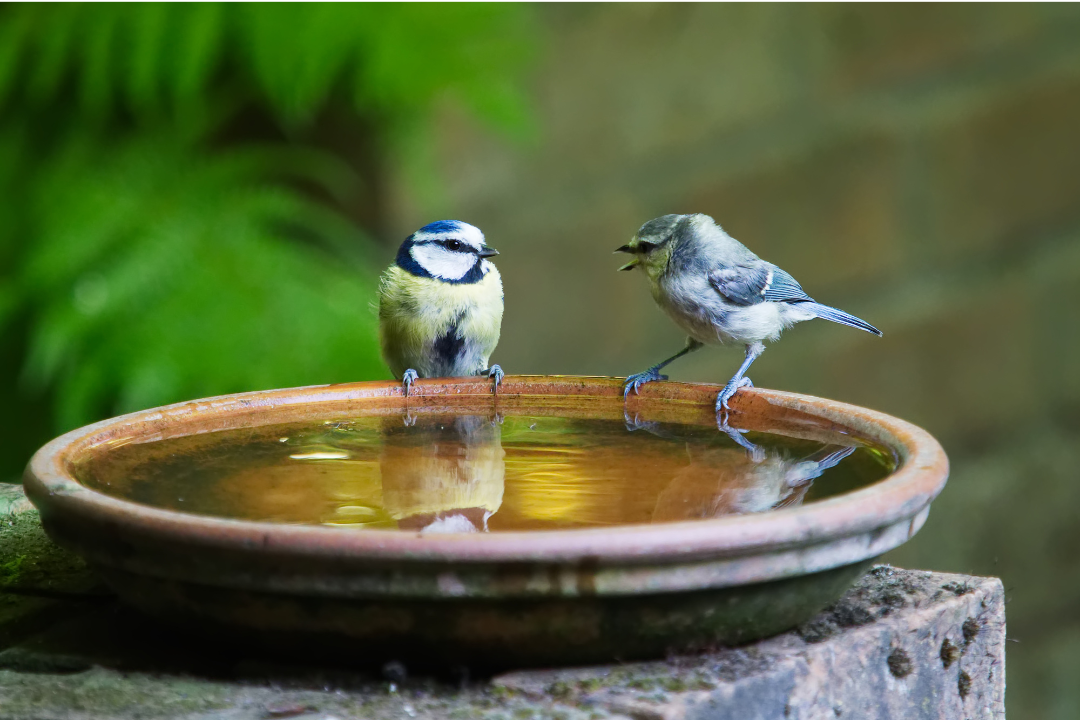
1. creating water sources
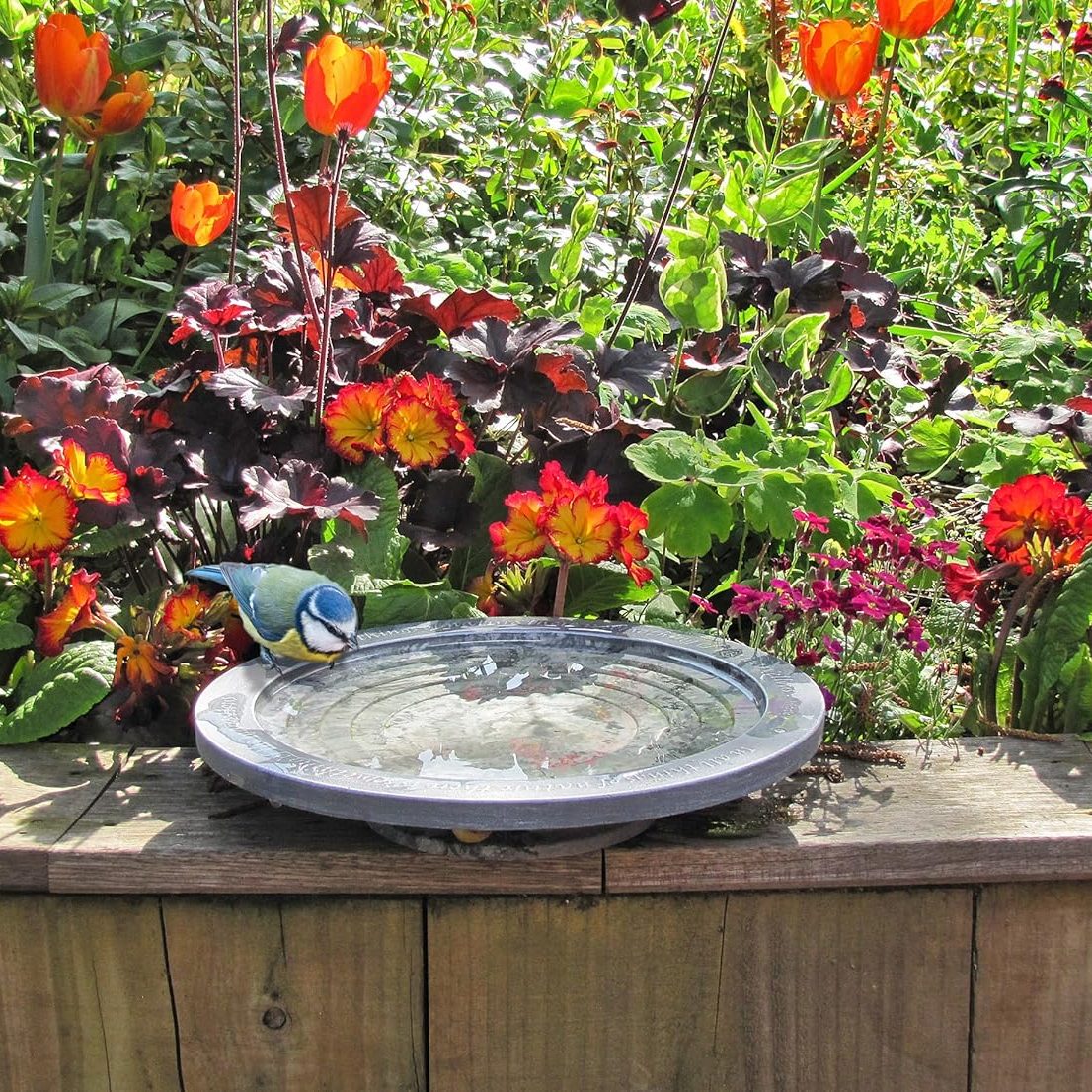
Water sources are essential during hot summer days. As temperatures rise, natural water sources can dry up. Consider adding a birdbath or a small pond. These can provide much-needed hydration for birds, insects, and small mammals. In addition to hydration they may also use water to cool down, drinking or bathing more frequently. It is helpful to have water sources at different levels in the garden, if space and resources allow. This can be from a simple shallow water dish, birdbath, through to a small or larger pond. Shallow water allows birds, insects and mammals to access water more easily. A few stones in a dish of water creating a slope can provide an escape route for anything that falls in, and again aid accessibility. Refill and clean these water sources regularly to prevent the spread of disease and algae growth.
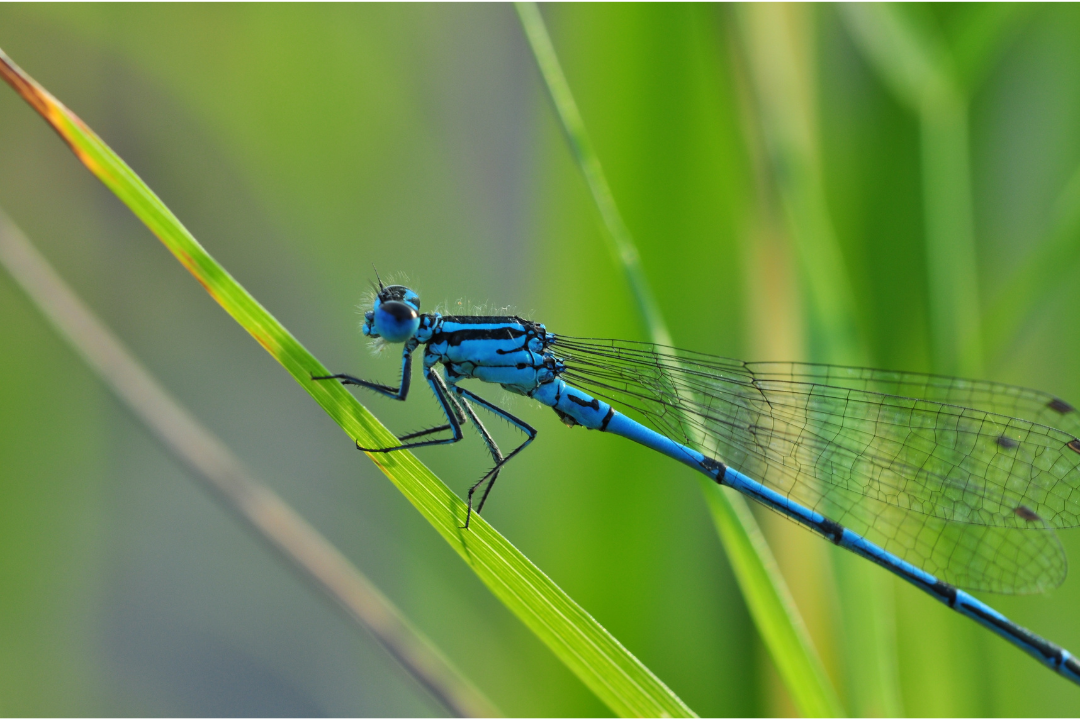
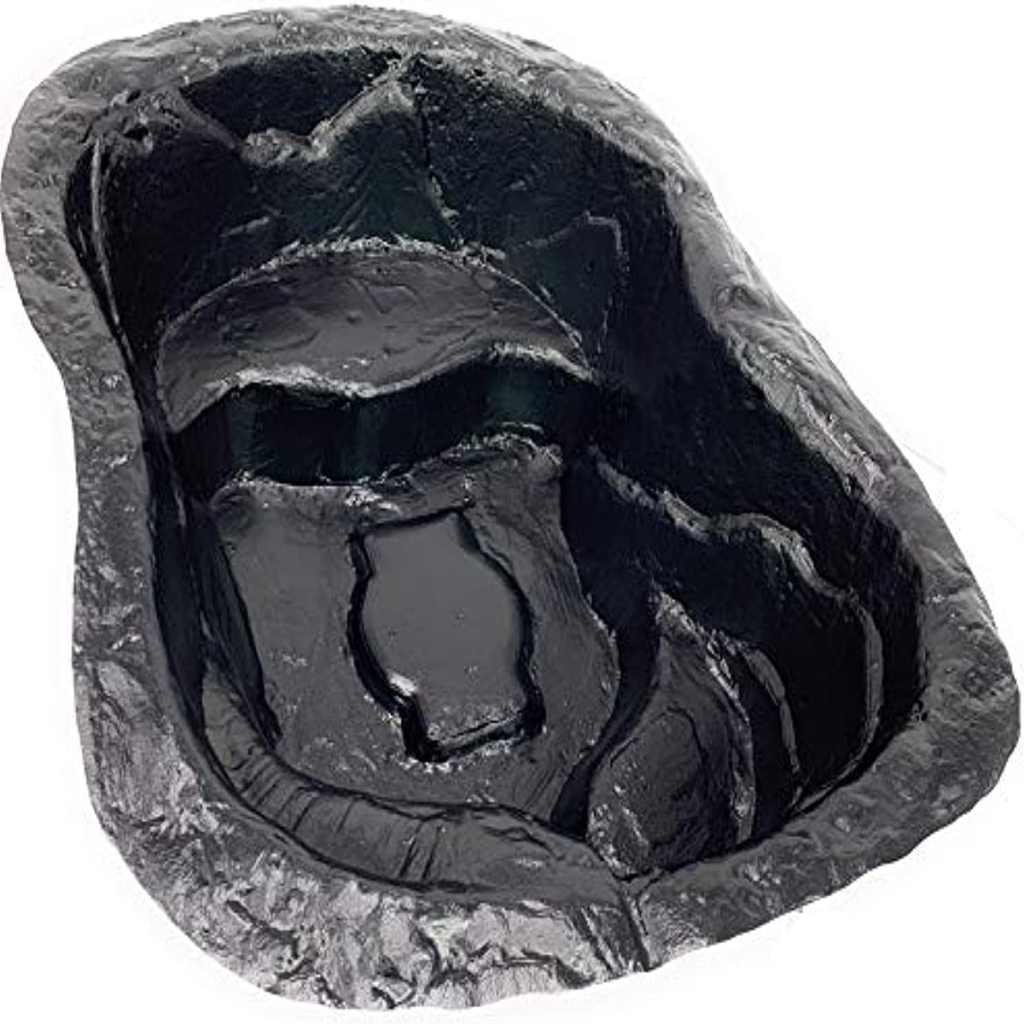
Ponds create wonderful breeding grounds for frogs and newts and are essential for their life cycle. Water bodies, even small ponds or birdbaths attract insects. These in turn, provide food for birds, amphibians, and other insectivores. For instance, dragonflies and damselflies thrive near water, supporting the food web and enriching biodiversity in your garden.
2. flower power
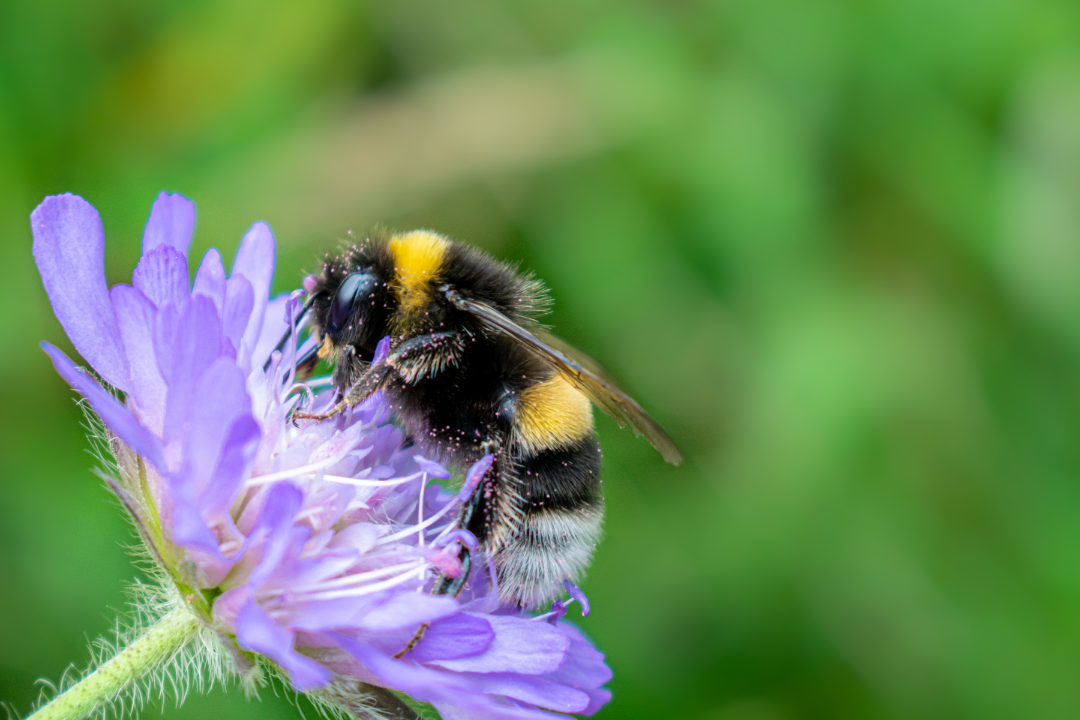
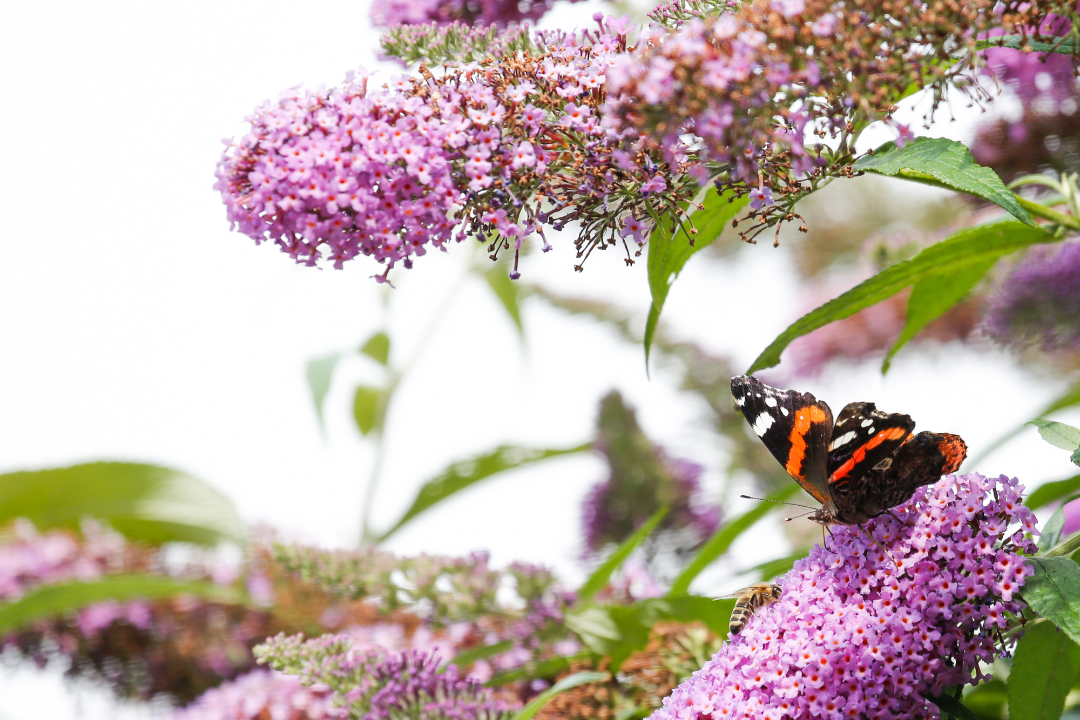
Plant native flowers to attract bees and butterflies. Lavender, cornflowers, and poppies are great choices. These flowers are well-suited to the local climate and soil, making them easy to grow. Native plants also provide the right nectar and pollen that local pollinators need. Avoid using pesticides; they harm beneficial insects and can disrupt the ecosystem. Opt for organic or natural pest control methods instead.
3. food, glorious food
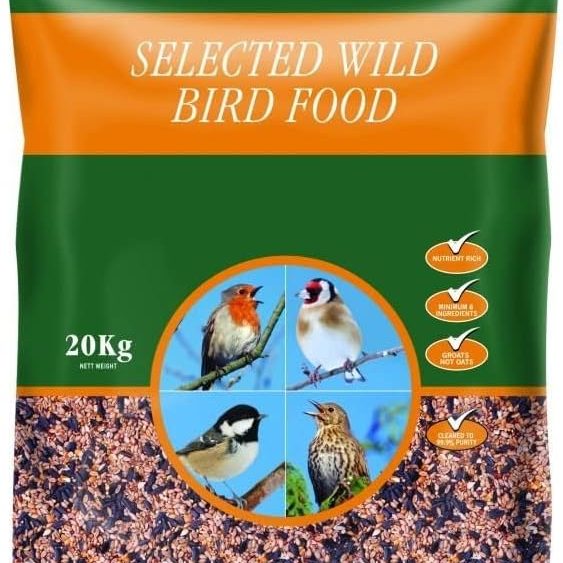
Feed the birds, but avoid bread. Bread lacks essential nutrients and can be harmful in large quantities. Provide seeds, nuts, and fruit instead. Different birds have different dietary needs, so a variety of food will attract a range of species. Install bird feeders at different heights to attract various species. Clean feeders regularly to prevent disease and mold growth.
4. to mow or not to mow
Check before mowing the lawn. Long grass can hide small creatures like frogs and insects. Mow less frequently to allow wildflowers to bloom. This supports pollinators by providing them with nectar and pollen. A patch of long grass can also serve as a habitat for small mammals and insects, offering them protection and food.
5. be a little wild!
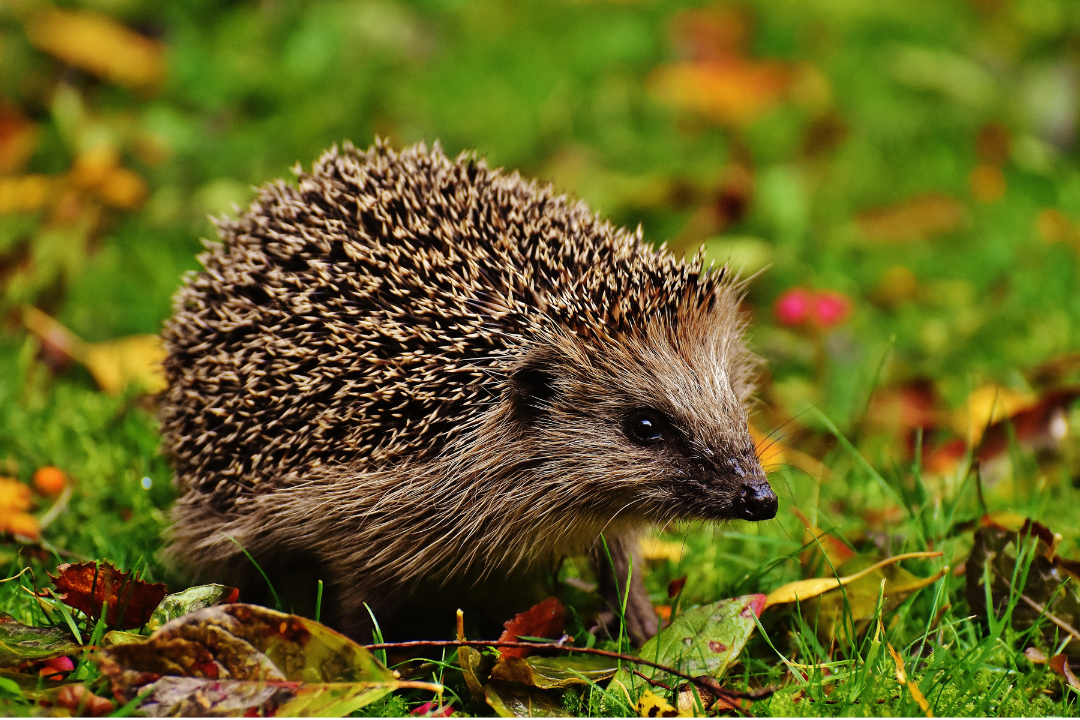
Create shelter for small animals. Piles of logs or leaves make excellent hiding spots. These shelters provide safe places for hedgehogs, frogs, and insects to live and breed. Leave a corner of your garden wild and untidy. This helps small creatures find homes and sustenance. Even a small, unmanaged area can significantly boost biodiversity in your garden.
6. mix it up
Grow a variety of plants to offer year-round food and shelter. Mix shrubs, flowers, and grasses to create diverse habitats. Different plants will attract different types of wildlife, ensuring your garden supports a wide range of species. Include plants with berries for autumn and winter, providing food when other resources are scarce.
7. one mans waste is another’s treasure
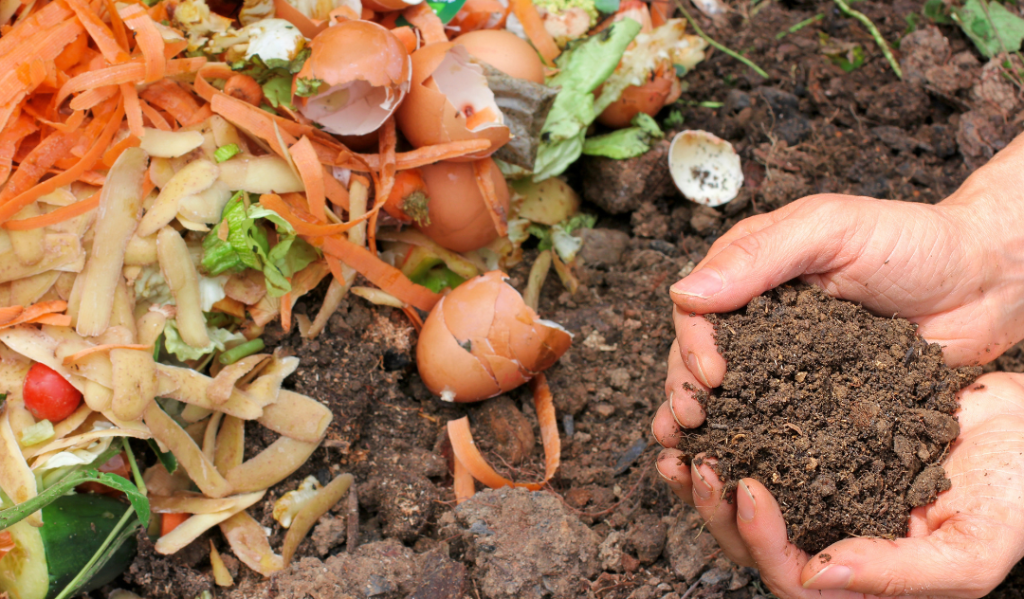
Make a compost heap for garden waste. Not only can you turn your waste into valuable treasure to use in your garden, it also provides a habitat for insects and hedgehogs Compost heaps are warm and moist, making them ideal for many small creatures. Avoid disturbing the heap too often to allow wildlife to thrive.
8. lights out
Encourage nocturnal wildlife by reducing artificial lighting. Light pollution can disrupt natural behaviors and deter nocturnal animals like bats and moths. Use motion sensors for essential lighting only. This ensures your garden remains dark and inviting for night-time wildlife.
9. bat crazy
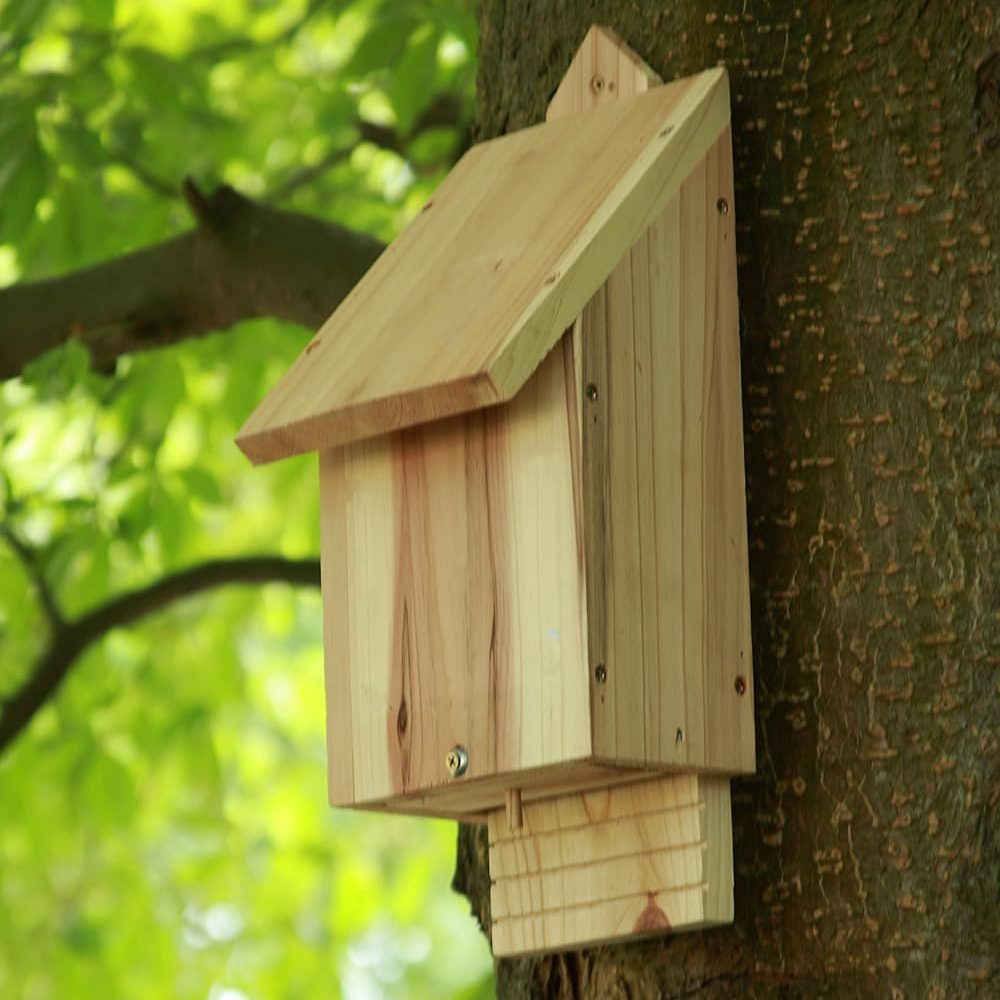
Bats play a crucial role in pest control and pollination. Bats eat many garden pests, helping to keep insect populations in check. Install a bat box to help these nocturnal creatures. Place the box high on a tree or building, where bats feel safe and are more likely to roost. Ensure the box is in a location that receives some sunlight during the day. Head outside at dusk and watch bats flying in your garden.
10. connect
Connect with local wildlife groups for more ideas. These organisations can provide resources and support tailored to your area. They often have events and activities that can help you learn more about local wildlife and how to support it. Helping wildlife in your garden benefits the ecosystem and enriches your outdoor space, creating a thriving environment for both wildlife and people.
how to make the perfect birdbath
The RSPB have created a simple to follow step-by-step guide on creating the perfect birdbath. In this activity they use an old dustbin lid! You can use other items as alternatives, even up cycling other items you have that are not being used. Take a look using the link below.
How to make a compost heap
Creating a compost heap using wooden pallets is a cost-effective and eco-friendly way to manage garden and kitchen waste. Here’s a step-by-step guide to building your compost heap:
materials needed
– Four wooden pallets (same size)
– Heavy-duty cable ties or screws and a drill
– A piece of heavy-duty plastic or old carpet (optional, for covering)
– Garden stakes (optional, for extra stability)
Instructions
1. choose a location
Find a flat, well-drained spot in your garden with good air circulation and partial shade.
2. assemble the back & sides
Stand two pallets upright to form the back and one side of the compost heap.
Secure the pallets together at the corners using heavy-duty cable ties or screws. If using screws, a drill will be handy.
Attach the third pallet to form the other side, ensuring all corners are firmly connected.
3.install the front pallet
Attach the fourth pallet to the front, creating a three-sided structure with an open front for easy access.
You can use cable ties for a temporary setup or screws for a more permanent structure.
4. add extra stability (optional)
For added stability, drive garden stakes into the ground at each corner of the compost heap.
Secure the pallets to the stakes with additional cable ties or screws.
5.create a lid (optional)
If you prefer, place a piece of heavy-duty plastic or an old carpet over the top to keep the compost moist and deter pests.
Ensure the cover can be easily removed for turning and adding materials.
6. start composting
Begin adding garden waste such as grass clippings, leaves, and kitchen scraps like vegetable peelings and coffee grounds.
Avoid adding meat, dairy, or diseased plants.
7. maintain the heap
Turn the compost regularly to aerate it and speed up decomposition.
Keep the compost moist but not waterlogged, adding water if it gets too dry.
With these steps, you’ll have a functional and efficient compost heap, helping you recycle garden and kitchen waste while enriching your soil.
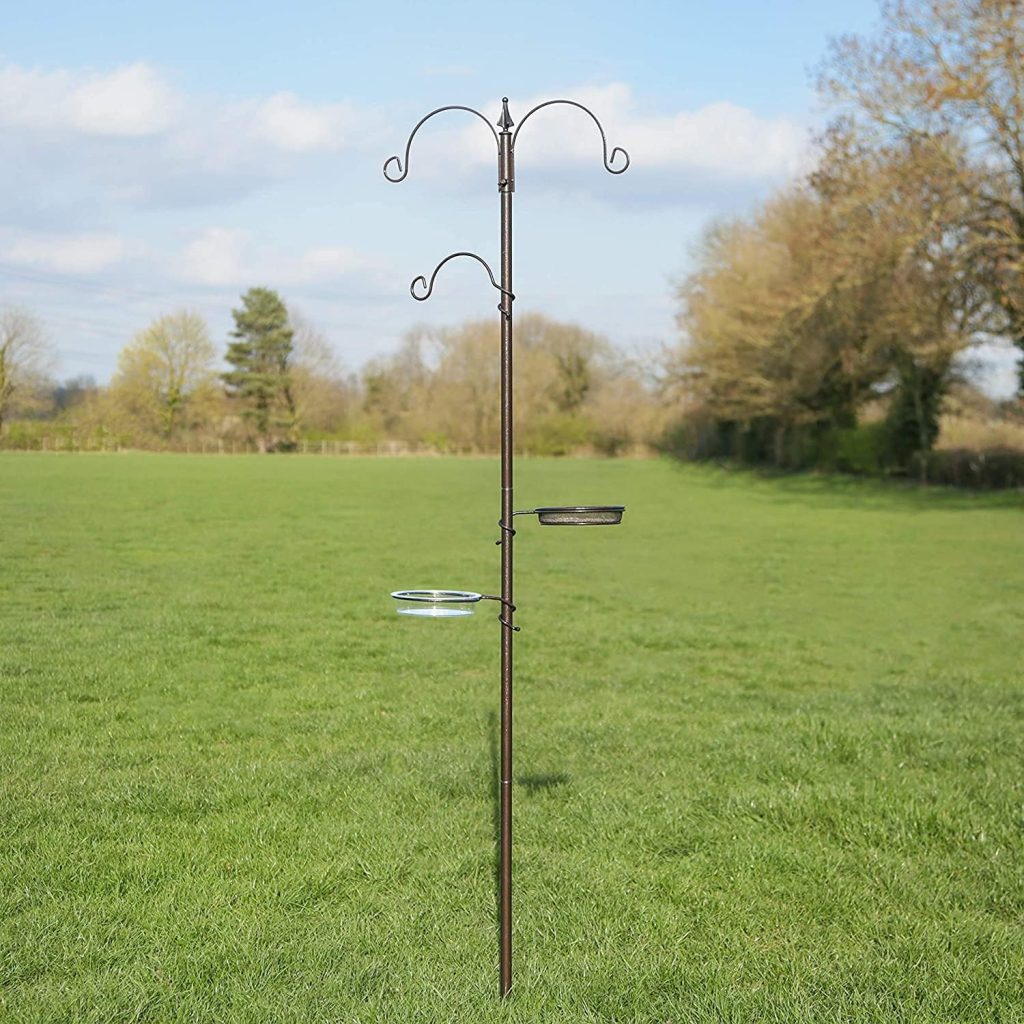
favourite finds to help wildlife in your garden
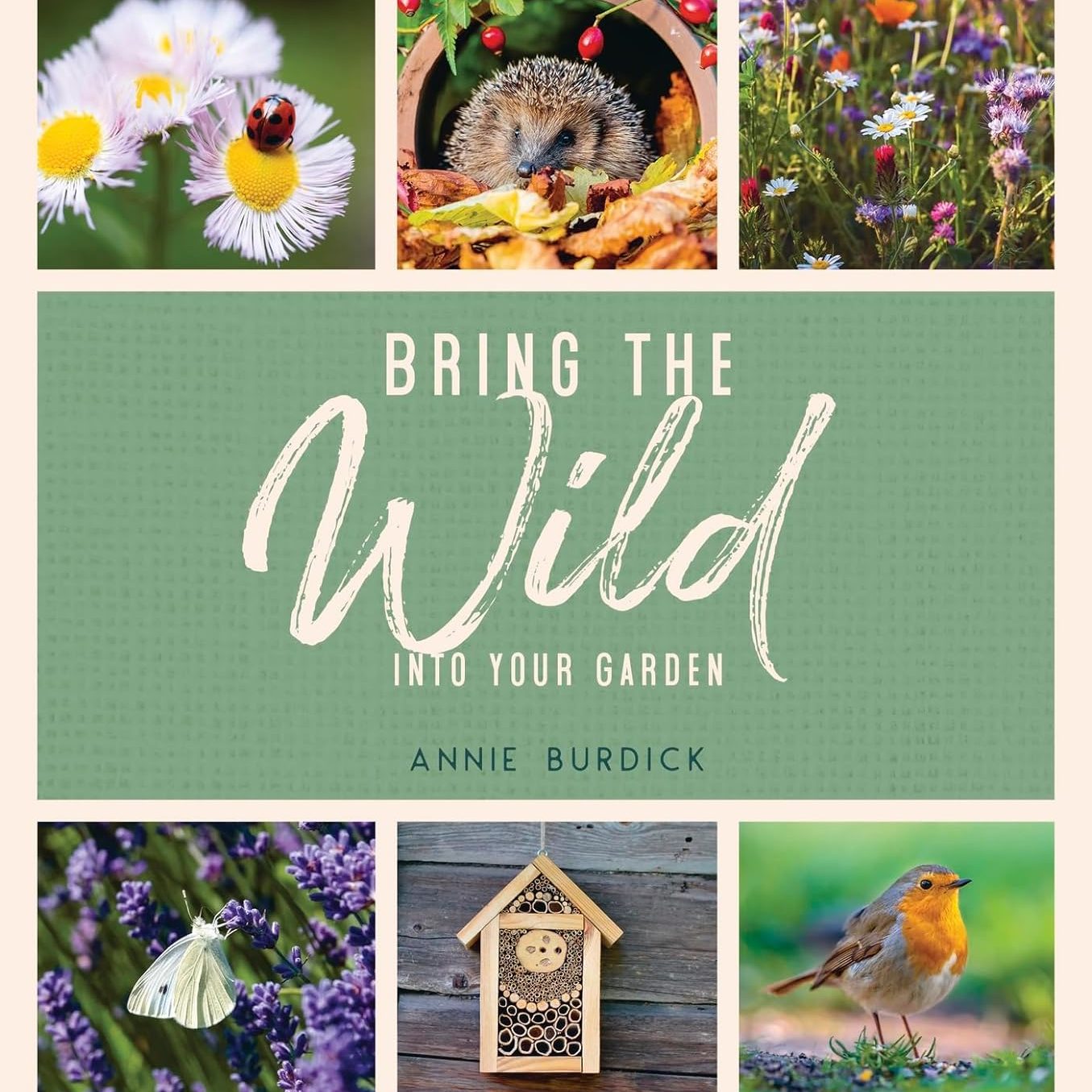
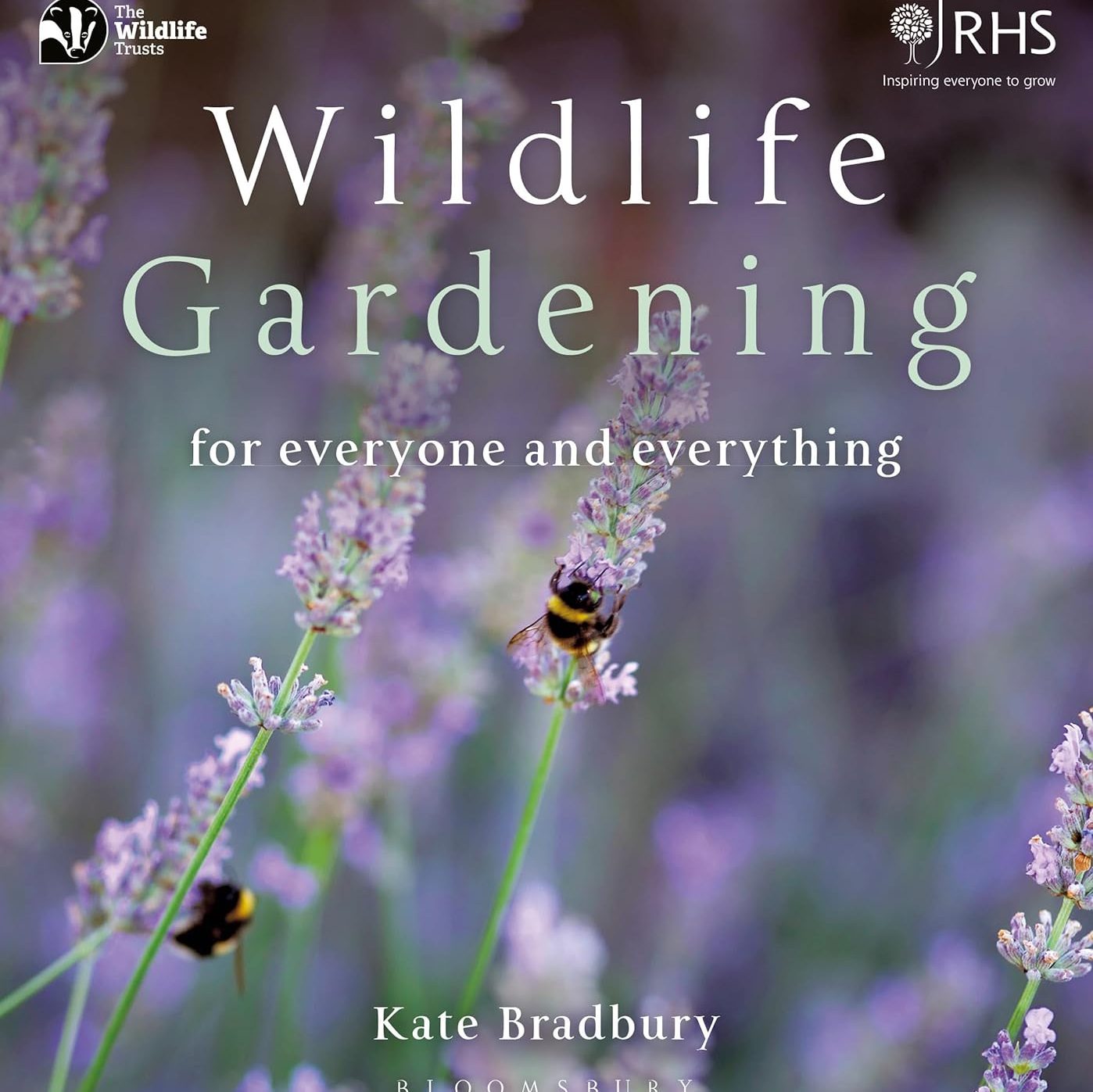
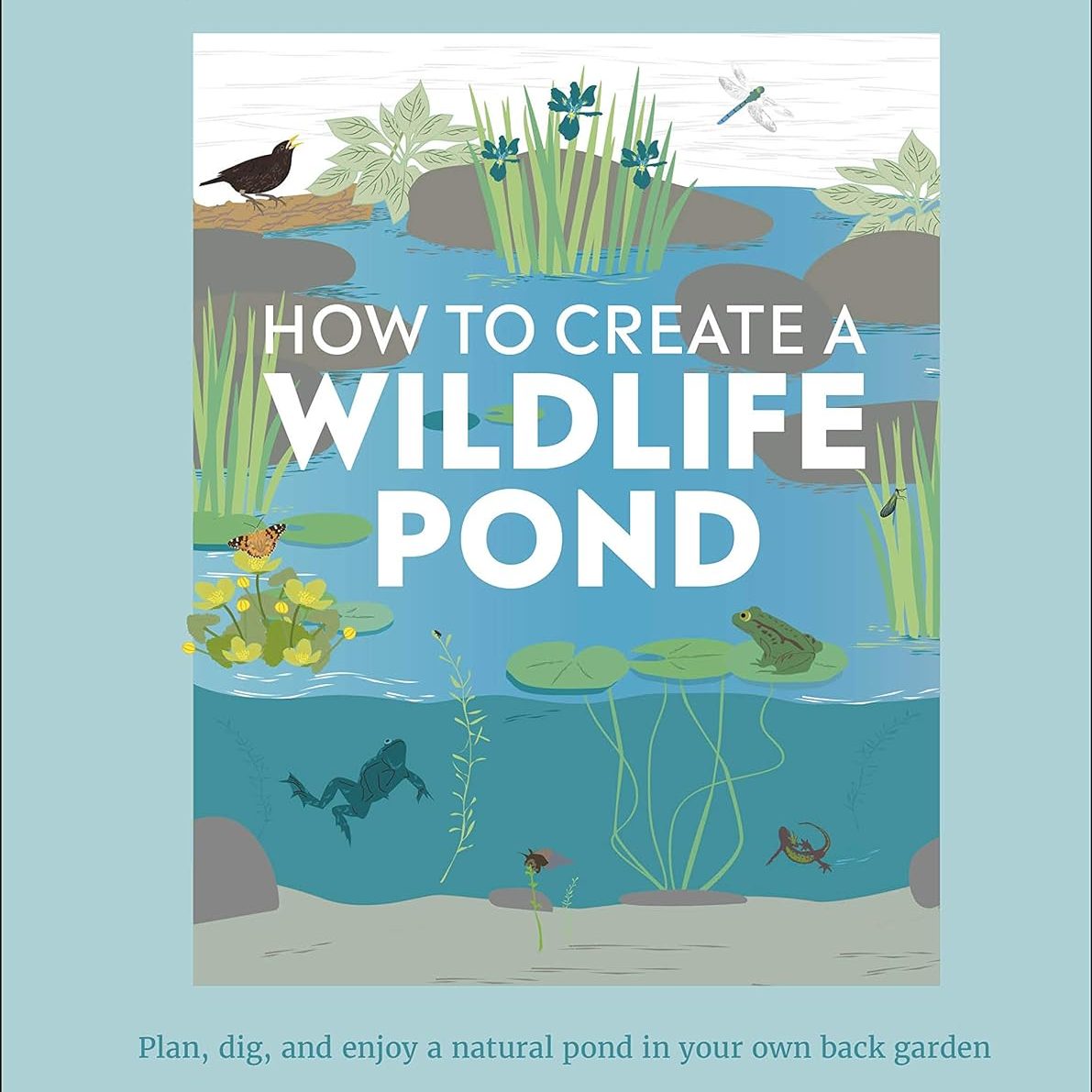
take a peek…